








List it once. Sell it everywhere.
Photograph it once, list it on twenty-plus marketplaces. Each listing is written for where it's going, and when it sells, the rest come down.
Trusted by 1,000s of resale
businesses across 🇺🇸🇬🇧🇨🇦🇪🇺Trusted by 1,000s of resale businesses across 🇺🇸🇬🇧🇨🇦🇪🇺
























Import from any marketplace
Pull in the listings you already have, wherever they live — no manual re-entry, no spreadsheets.
Publish in one click
Push every product to 30+ marketplaces from a single catalog. Edit once, sync everywhere.
Inventory always in sync
Real-time stock sync across every channel. Sell on one, it disappears from the rest — never oversell again.
Photos in, listings out.
Drop in the whole haul. It comes back sorted, cleaned up, written and priced.
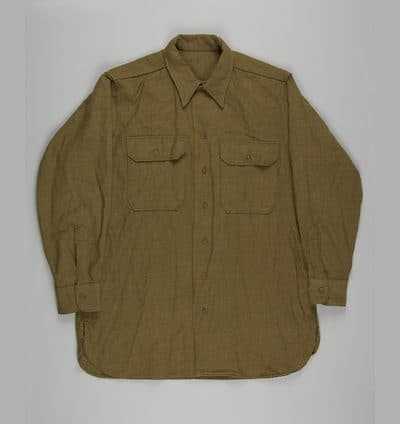
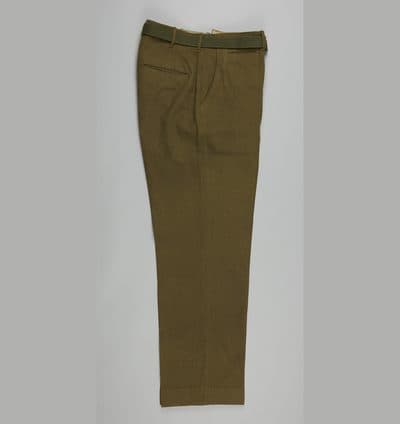

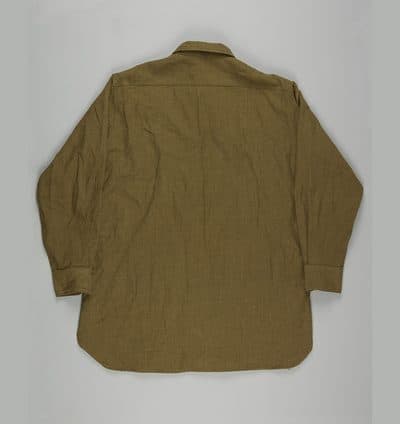
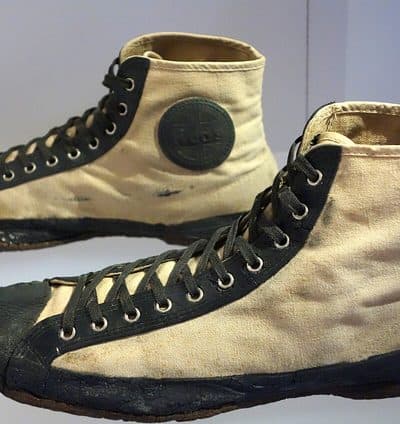

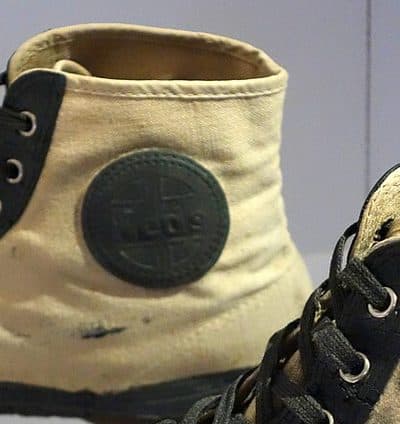

Shoot the whole haul at once
Drop in every photo. They're sorted into items for you.
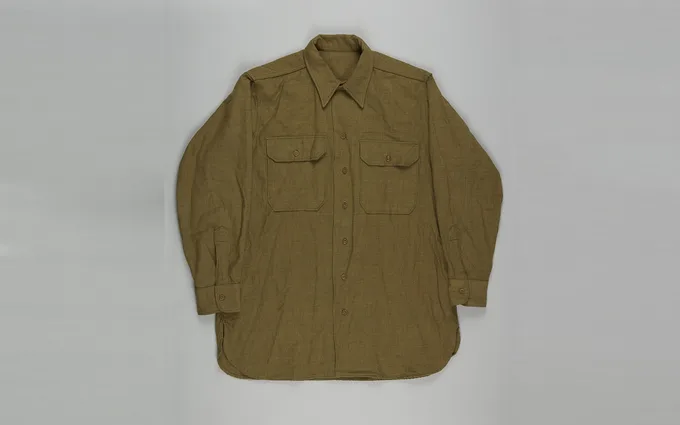
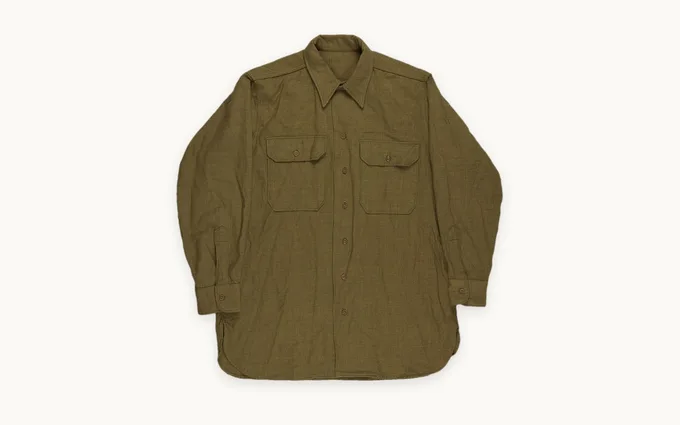
Any backdrop, studio-shot
The background drops away and a soft shadow lands under it.
Written from the photos
Title, brand, category and condition, read off the item itself.
 $128
$128 $165
$165 $120
$120 $145
$145 $110
$110 $150$128$165$120$145$110$150$138$115$125$175$135$130$138$115$125$175$135$130$158$142$134$118$122$150$158$142$134$118$122$150Suggested$14017 comps
Priced on what really sold
Comps from the marketplaces that carry it, not a guess.
Brand and model matched from the photo.
Save the look, run it on the whole haul.
Your own rules for titles and descriptions.
Clips upload with the photos.
Their rules, your prices.
Each marketplace gets a listing written for it, priced the way you said.


 Chairish
 Pottery Barn Kids Slipcovered Swivel Glider
Their category, their words
Each marketplace gets the title, category and condition it accepts.
 $124
$124Priced per channel, in plain English
Write the rule once. Every listing on that channel follows it.
Anything still wrong is explained on the product.
You're asked once, then it carries on.
Skipped where a marketplace won't take it.
Point your field at theirs, once.
Sold here, gone there.
Sell the last one anywhere and every other listing ends itself.



It sells once, then it's gone everywhere
The other listings come down the moment it sells. No selling the same dresser twice.
 Texas Star dining setEtsy order
Orders arrive as sales
Tax, shipping, the marketplace’s fee and the consignor’s share, already worked out.
 $124$99
Change it here, it changes there
New price, title or photo goes to every listing.
 $32
$32Sold at the till counts too
Ring it up in the shop and it comes off every marketplace.
Instant wherever the marketplace allows it.
Restock it and the listings go back up.
Price, quantity and size, each its own switch.
A channel that "loses" your stock is not believed.
Already listed? Bring it.
Connect a marketplace and its listings arrive as products, photos and all.
eBayEtsyShopifyPoshmarkMercariDepopGrailedVinted Vestiaire CollectiveStockX
 GOATChairishThe RealRealBack MarketReebelo
 BonanzaWhatnot
 Ruby LaneKashewFacebook Marketplace
 Craigslist
 WooCommerce
 WixSquare
 Pinterest
 Google Shopping
 Discogs
 AbeBooks
 Meta Shops
A matching SKU links to the product you have.
Copied into your own library.
Find listings made elsewhere and link them.
CSV, with your own column mapping.
Everything else, included.
What matters at three thousand listings, not three.
One listing with sizes, or one per size.
No photo or no price? You're told first.
One listing jumps ahead of a bulk run.
The way marketplaces like it.
Your own shop, on the same stock.
Your catalog where people search.
Back to draft, off every channel.
eBay orders return with tracking and label cost.
eBay's daily limit is tracked, not hit.
Learn more about crosslisting
Website builder
How the ResaleOS website builder works
Build a real website around your ResaleOS shop — clone your old site, start from a template, or describe it to AI. Plus favicon, social sharing, SEO and search-engine verification.
Add a video
How to add a video to a product
Upload a clip up to 500MB in almost any format; ResaleOS converts it and sends it to every channel that accepts video.
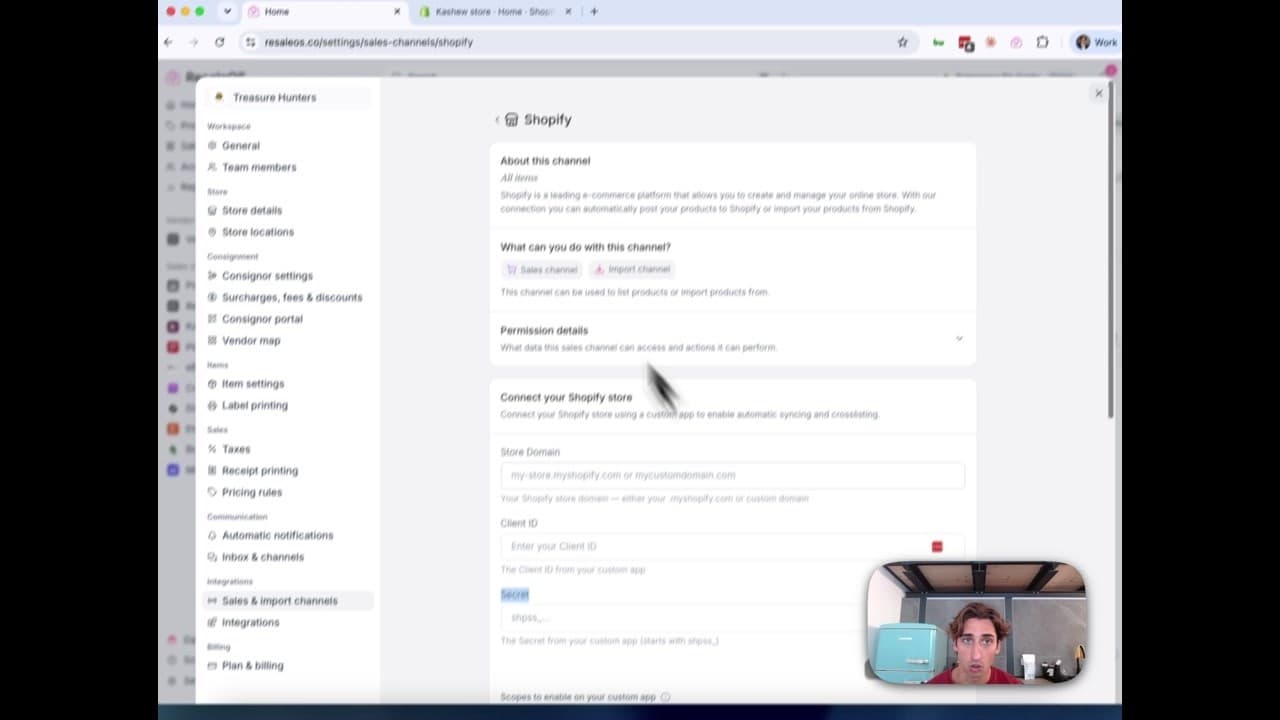
How to Connect Your Shopify Store to ResaleOS
Create a Shopify custom app, paste in the scopes ResaleOS gives you, and connect your store in a few minutes.

Ready to transform your resale business?
List once. Sell anywhere. Ship everywhere.
Get started.